
• May 21, 2026

SELF WP5 Outputs Released: Advancing Uptake and Long-Term Impact

The SELF project consortium announces the publication of its key Work Package 5 outputs to support the uptake and sustained impact of the previous project results: the SELF Mainstreaming Strategy and …

SIMPLE Partners Meet in Warsaw to Advance Piloting and Stakeholder Engagement

On 31 March 2026, the partners of the SIMPLE project gathered in Warsaw, Poland, for the third Transnational Project Meeting, hosted by Customized Training Solutions (CTS). The meeting represented a key …

The SELF project surpasses 500 participants in Europe in the validation of its self-employment training program

March 31, 2026, Malaga, Spain – The SELF project (Solo Entrepreneurship in Post- pandemic) Europe), coordinated by the University of Malaga (UMA), continues to advance successfully in its Test & Validation …

BAIT-HEI Project Launches English Version of AI-Supported Training Toolkit for Higher Education

The BAIT-HEI project announces the imminent release of the English version of its AI-supported Training Toolkit, marking an important milestone in the project’s efforts to strengthen innovation, entrepreneurship, and digital competencies …

The SELF Project Featured on National Radio to Promote Free Entrepreneurship Training Across Europe

February 23, 2026, Málaga, Spain – The SELF project (Solo Entrepreneurship in Post-pandemic Europe), coordinated by the University of Málaga (UMA), has been featured on the national Spanish radio network Onda …

Plastics

The Covid-19 pandemic has forced us to wear surgical face masks. They are compulsory in some EU countries and highly reccomended. Polystyrene, polycarbonate, polyethylene or polyester are some of the other commonly-used materials in surgical masks. While they keep out bacteria effectively (although not necessarily that of the virus), the masks are plastic-based, liquid-resistant products that have a long afterlife after they are discarded, ending up in landfill or oceans.  


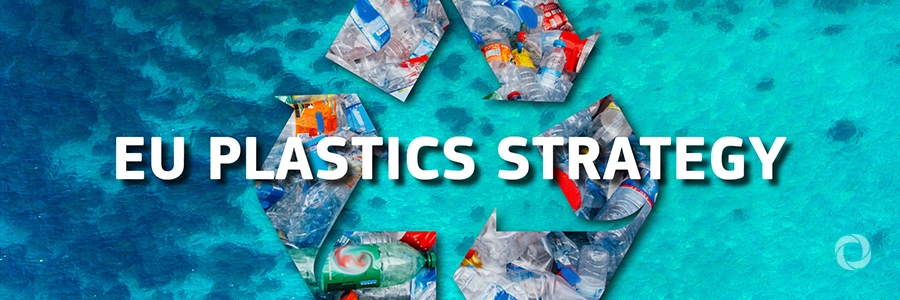
Action on plastics was identified as a priority in the Circular Economy Action Plan, to help European businesses and consumers to use resources in a more sustainable way.

The first-ever European Strategy for Plastics in a Circular Economy adopted on January 2018 will transform the way plastic products are designed, used, produced and recycled in the EU.


It is each individual’s responsibility to utilise the masks rationally and follow the necessary guidelines while disposing of their masks and other medical gear to reduce the pollution of the environment.


Find out more regarding the European Strategy for Plastics in a Circular Economy https://ec.europa.eu/environment/waste/plastic_waste.htm


Further readings:

1) SURGICAL MASKS WHASH UP ON SYDNEY BEACHES https://www.theguardian.com/australia-news/2020/may/27/surgical-masks-wash-up-on-sydney-beaches-after-40-containers-fall-off-cargo-ship

2) Environmental Impact of Disposable Masks

https://www.onlineclothingstudy.com/2020/04/environmental-impact-of-disposable-masks.html

3) Single-use surgical masks pile up on Hong Kong beaches after COVID-19 outbreak

https://www.vicnews.com/news/single-use-surgical-masks-pile-up-on-hong-kong-beaches-after-covid-19-outbreak/

Author

info@internetwebsolutions.es
Facebook
Twitter
YouTube
Instagram